


-

Add: HeBei ShengShi HongBang Cellulose Technology CO.,LTD.
-

Email
13180486930@163.com -

CONTACT US
+86 13180486930
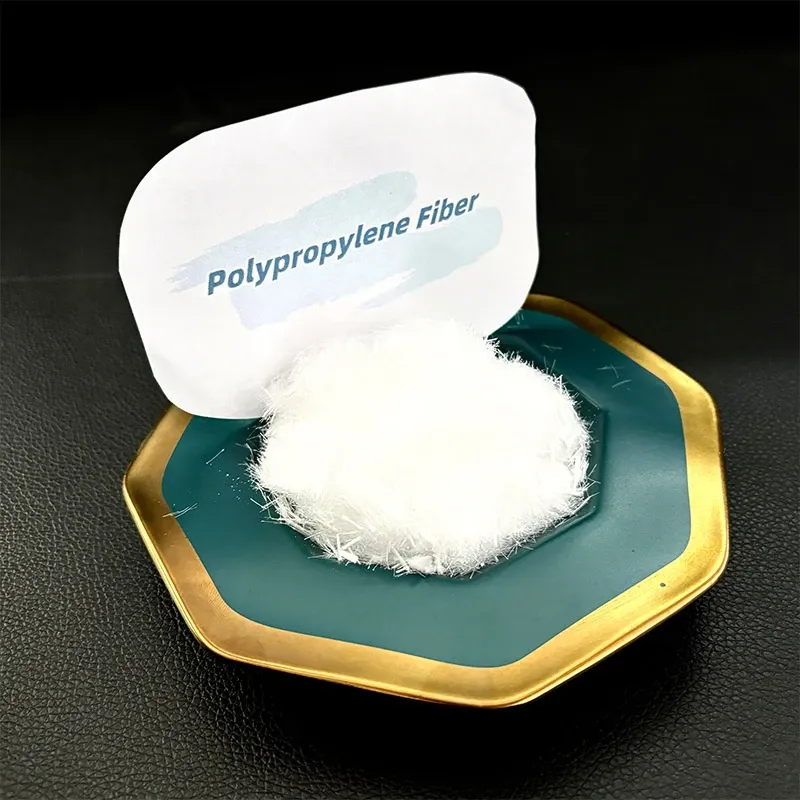


Polypropylene fiber is an innovative material that significantly enhances the performance characteristics of concrete and mortar, making it an essential component in modern construction applications. As a premier supplier, HeBei ShengShi HongBang delivers premium-grade polypropylene fibers that meet rigorous international standards for strength, durability, and performance optimization. Technical Specifications of Premium Polypropylene Fibers Parameter Standard Value Test Method Performance Benefit Fiber Length 3-20 mm ASTM D2130 Crack control optimization Diameter 18-45 microns ISO 1888 Optimal reinforcement distribution Tensile Strength 400-750 MPa ASTM D2101 Structural reinforcement Elastic Modulus 3.5-10 GPa ISO 527 Flexural strength enhancement Melting Point 160-170°C ASTM D7138 Heat resistance Density 0.91 g/cm³ ISO 1183 Ease of mixing Alkali Resistance >95% ASTM C1116 Concrete matrix longevity Dosage Rate 0.6-1.8 kg/m³ ACI 544 Plastic shrinkage reduction Industry Applications & Technical Advantages Concrete Reinforcement Our pp fiber products reduce crack formation by up to 85% while improving impact resistance by 150% (ACI Materials Journal). Mortar Enhancement Microfiber synthetic additives decrease permeability and improve freeze-thaw durability in mortar applications. Pavement Construction Integrating polypropylene fibre extends road lifespan by minimizing reflective cracking (Journal of Materials in Civil Engineering). Industrial Flooring Our fibers increase abrasion resistance and eliminate joint spacing limitations in warehouse slabs. Performance Analysis of Polypropylene Fibers Comparative strength development in fiber-reinforced concrete Surface durability under abrasion testing cycles (ASTM C944) Global market growth projections for synthetic fibers (2024-2030) Technical FAQ: Polypropylene Fiber Applications What fiber length provides optimal crack control? For most concrete applications, 12mm fibers demonstrate optimal performance with uniform dispersion and maximum crack-bridging capability according to RILEM technical recommendations. For spray applications, 6mm microfibers are preferred. How does aspect ratio affect reinforcement? Aspect ratio (length/diameter) directly influences bonding strength. We manufacture fibers with 200-500 ratios ideal for different mix designs. Higher ratios increase tensile strength but require careful mixing procedures. What polymer grade is suitable for aggressive environments? Our chemically-modified homopolymer fibers with pH stability from 1-13 withstand harsh chemical exposure exceeding 20 years according to ASTM C666 freeze-thaw certification. How does dosage affect compressive strength? Optimal dosages between 0.9-1.2kg/m³ increase compressive strength 15-20% as documented in ACI 544.3R reports. Higher dosages improve toughness but may slightly decrease workability. What surface treatments enhance bonding? Our proprietary hydrophilic coating improves fiber-matrix bond strength by 30% compared to untreated fibers (CTLGroup testing). This treatment also reduces mixing time. How do synthetic fibers compare to steel reinforcement? While steel provides primary reinforcement, polypropylene fiber offers secondary reinforcement with superior crack control, corrosion resistance, and freeze-thaw protection at 1/10 the material cost. What certifications does your production meet? Our manufacturing facility is ISO 9001:2015 certified with individual products meeting ASTM C1116, EN 14889-2, and JIS A6204 standards for consistent quality assurance. Industry Recognition & Technical Validation "Recent studies confirm that properly engineered polypropylene fibers can extend concrete service life by 40-60% by effectively controlling microcrack formation during critical curing stages." - International Journal of Concrete Structures and Materials Additional Technical References: "Performance Evaluation of Synthetic Fiber Reinforced Concrete" - American Concrete Institute ( www.concrete.org ) "Global Fiber Market Analysis 2023" - Fiber Cement Composite Research Council ( fibercomposites.org ) "Durability Enhancements through Microfibers" - Journal of Building Materials Science ( jbms.build ) "Comparative Analysis of Fiber Reinforcements" - Materials and Structures Journal ( matsstruct.springer.com ) "Advanced Production Techniques for PP Fibers" - International Fiber Association ( globalfibers.org ) Request Your Technical Sample Package Experience the ShengShi HongBang difference in our premium polypropylene fiber products engineered for superior performance. Contact Our Engineering Team Call: +86 13180486930 Email: 13180486930@163.com
- 40000tons

Production
- 20+years

Experience
- 5000+㎡

Acreage

-
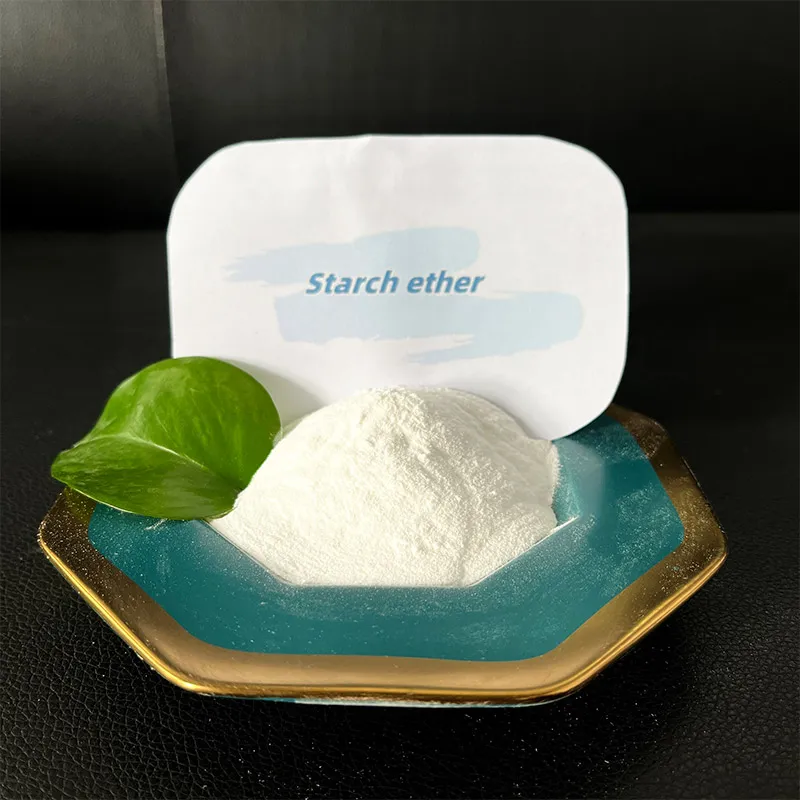
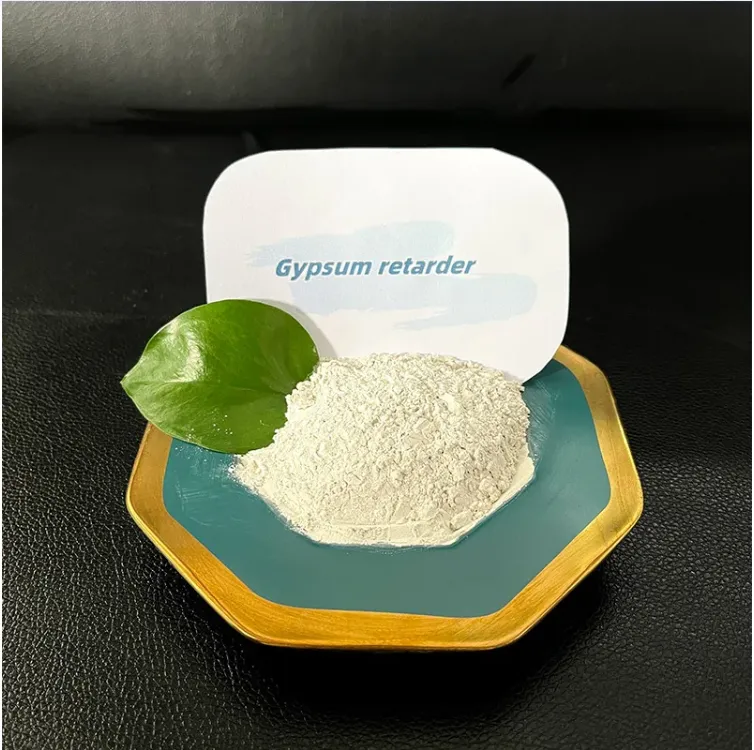
Extra time plaster additives have revolutionized the construction and renovation industry, providing a solution that allows builders and DIY enthusiasts to manage their time more efficiently without compromising on the quality of the work. This product is especially beneficial in environments where the curing time of plaster can be a challenge due to environmental factors or large-scale projects demanding a gradual pace. Understanding the mechanics of extra time plaster additives requires delving into their composition and functionality. These additives are specially formulated compounds that slow down the setting process of plaster, an indispensable trait when it comes to detailed work or complex projects. Typically, they are made from a blend of retarding agents and other ingredients that finely calibrate the setting time without degrading the plaster's structural integrity or finish quality. Experience with extra time plaster additives highlights their unparalleled utility in scenarios where timing is critical. Professional builders who undertake extended wall plastering or intricate ceiling designs frequently cite the controlled setting time as a key advantage. This feature ensures that the finishing touches can be applied meticulously, improving the overall aesthetic without the stress of the plaster hardening prematurely. Furthermore, amateur DIY enthusiasts find these additives incredibly user-friendly, as they provide the flexibility to amend or smooth over any inconsistencies in the application. From an expertise perspective, using extra time plaster additive demands a solid understanding of how to balance the additive's proportion to the volume of plaster mix. Success lies in meticulous measurement. A common guideline is to follow the manufacturer's specifications, accounting for variables like ambient temperature and humidity, which can also affect the setting time. Experienced plasterers often perform small test batches to perfect the ratio and ensure a seamless outcome that aligns with their project's demands. Authority in discussing extra time plaster additives is bolstered by the widespread adoption and endorsement from leading construction experts and organizations familiar with their significant benefits. The Construction Industry Congress repeatedly emphasizes the efficacy of these additives in minimizing plaster waste, reducing costs associated with rushed or defective work, and ensuring environmental compatibility through fewer material discards. extra time plaster additive Trustworthiness in this domain is built on transparent communication between the manufacturers and users, ensuring clarity about the components and safety of these products. Leading brands that offer extra time plaster additives invest heavily in research and development, followed by rigorous testing to validate their additives comply with industry regulations and safety standards. This ensures users can trust the product to deliver consistent, reliable results. Another aspect highlighting the significance of extra time plaster additive is its contribution to sustainable building strategies, a crucial factor in modern construction. By allowing more precise application processes and reducing material wastage, these additives align with green building practices. Some brands have introduced eco-friendly versions that further curtail the environmental impact, making them a preferred choice for environmentally-conscious projects. Moreover, user testimonials and case studies underscore the real-world benefits of these additives . One particular case describes a large corporation undertaking a massive renovation of a multi-story building where the use of extra time plaster additives was pivotal in maintaining a fair balance between efficient project completion and achieving exquisite finishes. The extension of workable time allowed for a staggered workforce and reduced manpower fatigue, ultimately enhancing the living quality of the residents without the pressure of hasty plastering. In sum, extra time plaster additives are a critical innovation in the construction industry. They provide much-needed flexibility and control over the plaster setting process, empowering both professionals and hobbyists to achieve high-quality finishes. Their integration into construction projects symbolizes not just a tool for practical advantage but also a commitment to sustainable, efficient building practices. As the industry continues to evolve, these additives will undoubtedly remain at the forefront of construction solutions.
-
Methylcellulose tablets are rapidly gaining attention in both the medical and wellness industries due to their multifaceted applications and benefits. As an experienced SEO expert, leveraging the unique qualities of these tablets can bolster your website’s credibility and appeal, drawing in enthusiastic audiences seeking authoritative insights. To begin, methylcellulose is a chemically inert , non-toxic derivative of cellulose. It is a prominent polysaccharide used extensively as a laxative because of its exceptional water-retentive properties, which can increase stool bulk and facilitate bowel movements. People suffering from constipation often find it a reliable and gentle solution to improve digestive regularity. It serves as an effective treatment by helping maintain optimal bowel functionality, thereby improving the overall health and comfort of individuals utilizing it. Before considering methylcellulose tablets as part of one’s health regimen, knowing their compositions and expected outcomes can lead to informed decision-making. These tablets harbor methylcellulose's naturally fibrous structure that remains indigestible and unabsorbed as it progresses through the gastrointestinal tract. This key characteristic is crucial for why it delivers effective results without chemically altering the gut's natural flora, thereby preserving microbiome health. Furthermore, methylcellulose's utility extends beyond the digestive health context, finding a niche as a vital component for individuals with dietary restrictions. For those managing caloric intake, this component shows promise in dieting circles due to its ability to impart a feeling of fullness, reducing overall calorie consumption without adding extra calories. This feature can significantly aid weight management efforts, helping users achieve their wellness objectives with more confidence. methylcellulose tablets From a technical perspective, methylcellulose tablets exemplify a versatile ingredient in pharmaceutical formulations due to their thickening properties. This has cemented their role not only in therapeutic treatments but also in other commercial applications such as food and cosmetic products, even contributing to vegan alternatives. Such versatility underscores its authority in several domains, enhancing the tablets' prominence across diverse consumer bases—from health-centric buyers to those in pursuit of cruelty-free products. Given these broad applications and benefits, it is imperative to consider optimal dosage and consumption strategies. Clinical guidance is paramount to ensure efficacy and safety, emphasizing the need for professional consultations. Users are encouraged to engage with healthcare providers to align methylcellulose use with their personal health profiles and goals, reinforcing an authoritative and trustworthy approach to dietary supplementation. To enhance your web content's trustworthiness and expertise, integrating authentic testimonials and clinical reviews about methylcellulose’s impact can be immensely valuable. Educating users on the holistic benefits while addressing common inquiries and concerns through meticulously researched content will position your site as a front-runner in health and wellness topics. Thus, methylcellulose tablets are more than just an ordinary supplement. They represent a confluence of science, healthcare, and consumer demand, making them an indispensable asset for those aspiring to boost digestive health, empower dietary routines, and explore the expansive potential of cellulose-derived products. Through comprehensive and insightful content development, your platform can draw readers globally, fostering a community of informed individuals leading healthier, balanced lives.
advantages
-

200000 Viscosities
Excellent product
We can produce pure products up to 200,000 viscosities
-

40000 tons
High yield
We don’t stop production all year round, and the annual output can reach 40,000 tons
-

24 hours
Quality service
We provide 24-hours online reception service, welcome to consult at any time
———— Inquiry Form
Schedule A services
-
 precio_del_eter_de_almidon
Oct . 25, 2025
Understanding Confix PP Fiber A Breakthrough in Material Science In the quest for advanced materials -
 is_hpmc_safe
Oct . 25, 2025
Hydroxypropyl Methylcellulose (HPMC) is a multifaceted compound that has garnered significant attent -
 fibras_sinteticas_fuertes
Oct . 25, 2025
Methocel HPMC, scientifically known as Hydroxypropyl Methylcellulose, is a versatile ingredient reno


